2.85 mm filament may no longer be mainstream for most 3D printers, but for industries, universities, and large-format print users in the UK, it remains mission‑critical. Whether you’re using Ultimaker, BigRep, or other professional-grade 3D printing systems, you need...
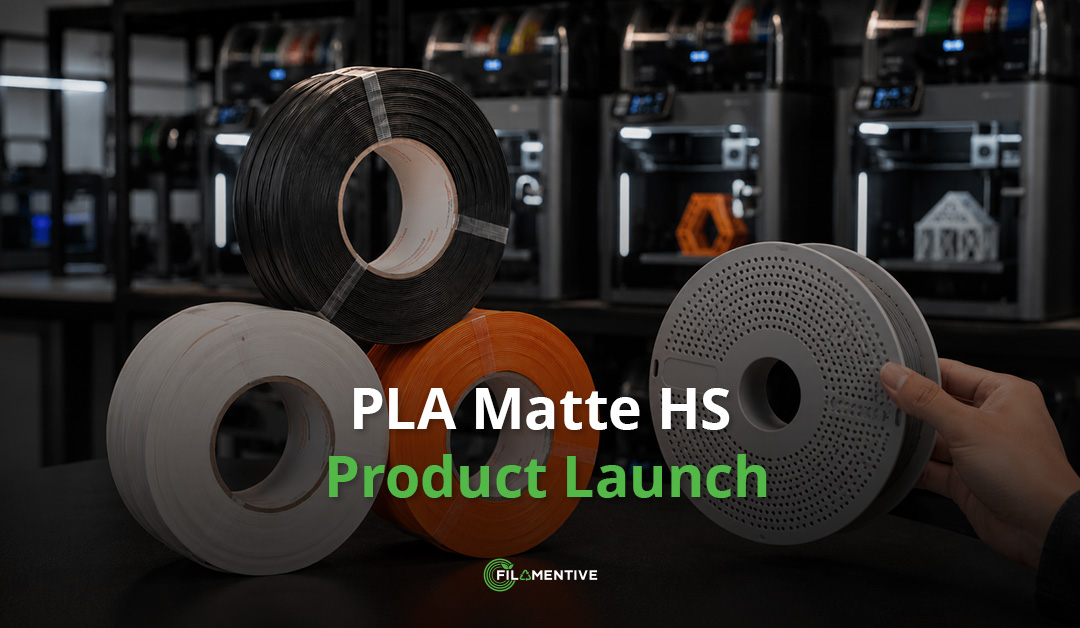
A Gap in the Market: No Matte ReFill for Bambu Lab Users Bambu Lab has changed how people 3D print. Faster speeds, automated multi-colour workflows, and the AMS system have pushed what’s possible on a desktop printer — but the filament market hasn’t always kept up....
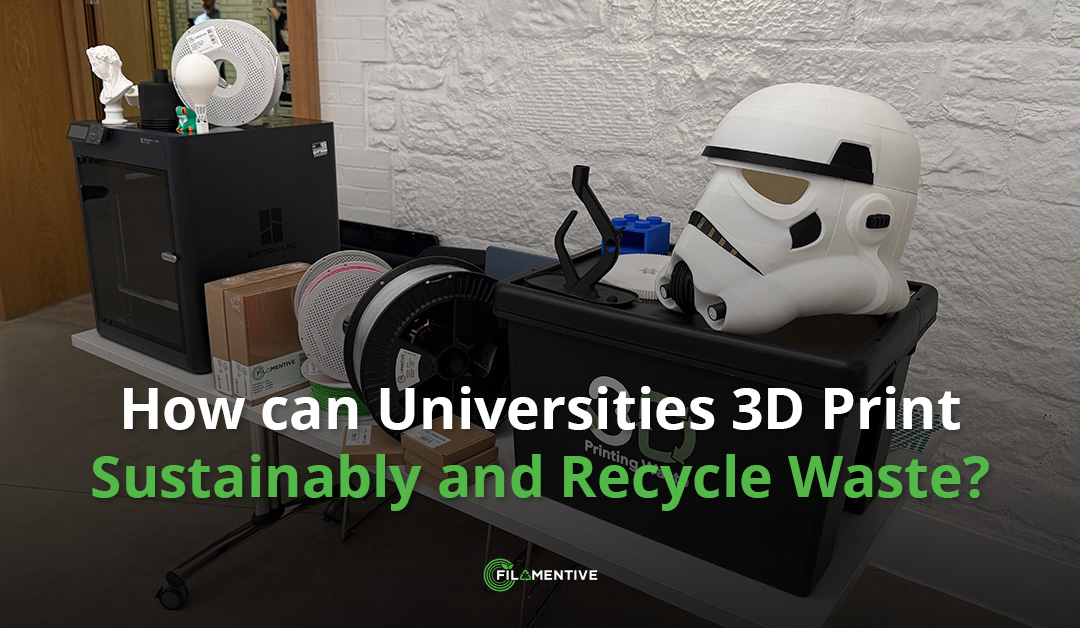
In April 2026, Filamentive sponsored TechNet Scotland, an event which platformed technical staff to share knowledge, best practice and lessons learned in relation to sustainability to ensure laboratories and workshops operate in a sustainable way. For us, it was a...
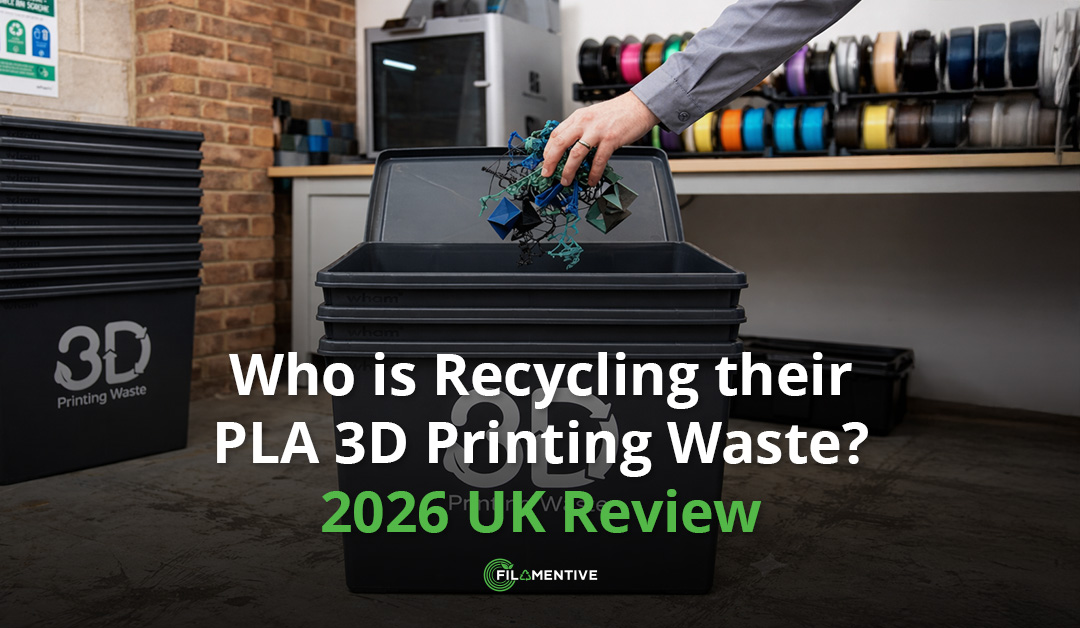
When we launched the UK’s first free PLA 3D printing waste recycling scheme in April 2024, our initial goal was straightforward: recycle one tonne of PLA waste within 12 months. Two years on, we’ve now diverted 2.5 tonnes of PLA 3D printing waste from...
At Filamentive we recently asked our LinkedIn community: “What’s your biggest hesitation about using recycled filament?” The responses were telling. About 44 % cited no clear cost/value benefit, 24 % pointed to “availability, 12 % worried about performance, and 20 %...
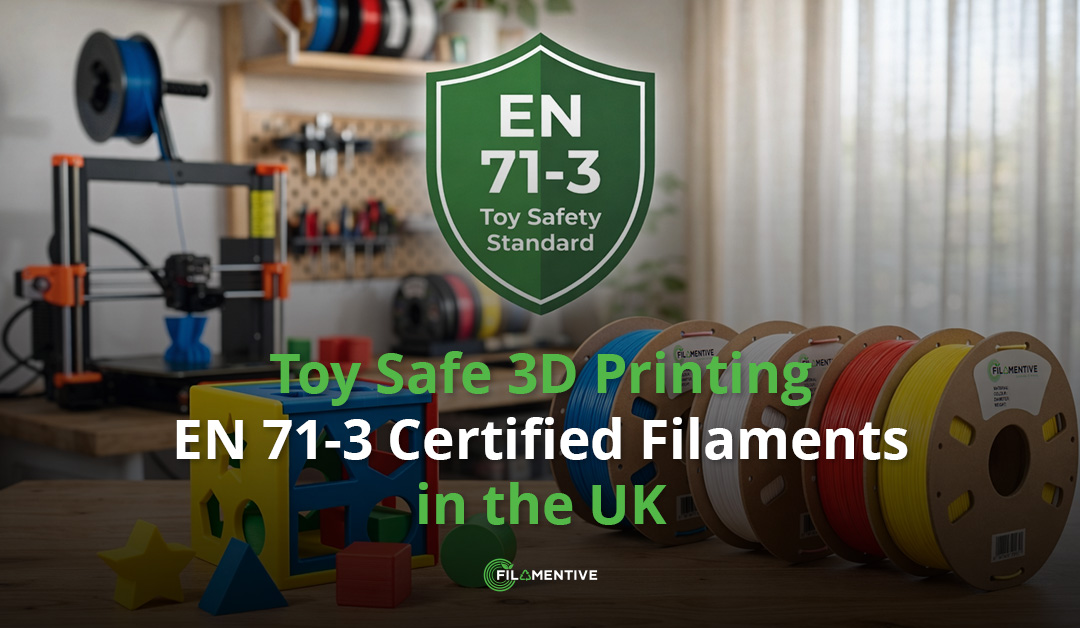
As 3D printing moves beyond prototyping into real-world product manufacturing, more designers, educators and businesses are asking an important question: What filament should you use if your 3D printed parts may be handled by children? From classroom models and...